Youth sports injuries are more preventable than most parents realize. Understanding the most common injury types, their root causes, and the evidence-based prevention strategies that actually work is one of the most valuable investments a sports parent can make.
More than 3.5 million children under the age of 14 receive medical treatment for sports injuries every year in the United States. Approximately half of all youth sports injuries are classified as overuse injuries — meaning they are the result of repetitive stress over time rather than acute trauma. This is the critical statistic for parents: half of all youth sports injuries are, in principle, preventable. Understanding how requires knowing what causes them.
The Three Root Causes of Youth Sports Injuries
1. Premature Specialization
Single-sport specialization before age 12 is the single most significant risk factor for youth overuse injuries, according to research from the American Academy of Pediatrics and the American Orthopaedic Society for Sports Medicine. When a child plays one sport year-round from an early age, the repetitive stress of that sport's specific movement patterns accumulates without the cross-training recovery that multi-sport participation naturally provides.
Youth baseball pitchers who throw year-round develop elbow and shoulder overuse injuries at dramatically higher rates than pitchers who play other sports in the off-season. Young soccer players who play year-round develop knee and hip overuse injuries at higher rates than those who alternate sports seasonally.
The evidence-based recommendation: Delay single-sport specialization until age 13–15. Before that, encourage multi-sport participation and ensure genuine off-season periods of 2–3 months per year where a child is not engaged in organized sport.
2. Training Load Errors
Rapid increases in training volume or intensity are a primary driver of overuse injury in youth athletes. The general rule used by sports medicine professionals is the "10% rule": weekly training volume (total distance, total repetitions, total practice time) should not increase by more than 10% from one week to the next.
In practice, training load errors most commonly occur during:
- Pre-season ramp-up (going from no training to full practice intensity in one week)
- Tournament weekends (dramatically increased pitch counts, sprint distances, or game minutes compared to regular season)
- Summer camp intensives (daily all-day training after months of lower-intensity preparation)
3. Inadequate Recovery
The adaptation that makes young athletes stronger, faster, and more skilled does not happen during training — it happens during recovery. When recovery is insufficient, tissue that would normally strengthen between training sessions is repeatedly stressed before it has adequately repaired, creating cumulative micro-damage that eventually manifests as pain or injury.
Sleep is the most important recovery tool available to any athlete at any age. Young athletes between the ages of 6 and 13 require 9–11 hours of sleep per night. Adolescents require 8–10 hours. These are biological requirements, not suggestions — sleep deprivation measurably increases injury risk by impairing neuromuscular coordination, reaction time, and decision-making during activity.
The Most Common Youth Sports Injuries by Sport
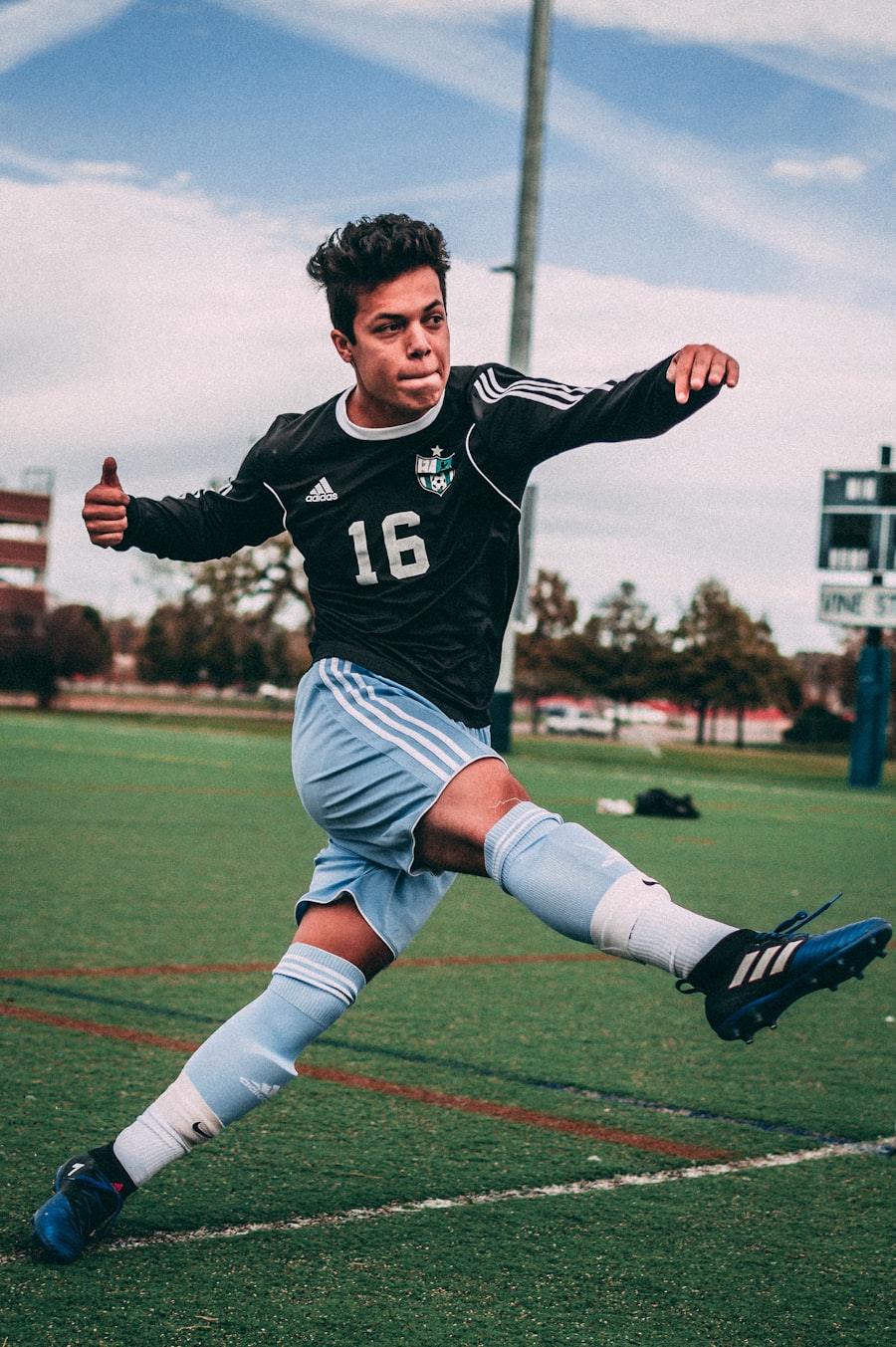
Soccer
- ACL sprains: Most common in female youth soccer players. Prevention programs like FIFA 11+ have demonstrated a 50% reduction in ACL injury rates in youth female soccer players in controlled studies. Ask your child's coach about implementing a structured warm-up protocol.
- Ankle sprains: The most common acute injury in youth soccer. Proper footwear (fitted, sport-appropriate cleats), ankle strengthening exercises, and proprioceptive training are the primary prevention strategies.
- Shin splints (medial tibial stress syndrome): Overuse injury common in players who dramatically increase training volume at the start of a season. Proper shoe selection, gradual training progression, and adequate rest prevent the majority of cases.
Baseball and Softball
- Little League elbow (medial apophysitis): Overuse injury at the growth plate on the inside of the elbow, caused by repetitive throwing. Pitch count limits set by Little League Baseball exist specifically to prevent this injury. Never allow a child to play through elbow pain during or after pitching.
- Shoulder impingement: Often caused by throwing with poor mechanics due to fatigue. Rest protocols and pitching mechanics coaching are the primary interventions.
- Finger sprains: Common in catchers and infielders from ball impact. Proper glove sizing and catching technique coaching reduce frequency significantly.
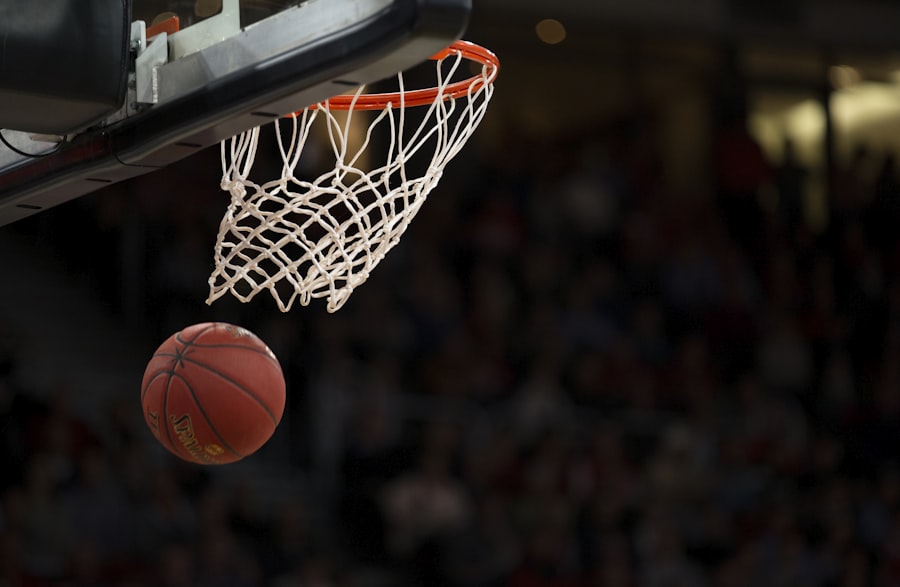
Basketball
- Ankle sprains: The most common basketball injury at all levels. Properly fitting high-top shoes with adequate ankle support reduce incidence. Lace-up ankle braces reduce recurrence in players with prior sprain history.
- Knee pain (Osgood-Schlatter disease): A growth-related overuse condition common in rapidly growing children ages 10–15. Characterized by pain and swelling just below the kneecap. Treatment involves activity modification, ice, and stretching of the quadriceps. Most cases resolve with skeletal maturity.
- Finger fractures and dislocations: Common from ball impact. Cannot be meaningfully prevented through equipment, but should be evaluated immediately rather than self-treated ("buddy taping" a possibly fractured finger can mask a serious injury).
Practical Prevention Framework for Parents
Before the Season
- Schedule a pre-participation physical examination (PPE) with your child's pediatrician
- Confirm your child's coach knows and follows pitch count limits (baseball) or contact restriction rules (football, soccer)
- Ensure all equipment is properly fitted and sport-appropriate
- Establish a gradual training ramp-up — at least 3–4 weeks of progressive conditioning before full-intensity practices
During the Season
- Monitor for complaints of pain that persist beyond a day or two — persistent pain is a signal, not a sign of weakness
- Enforce the "no play through pain" rule for joint, growth plate, or bone pain
- Ensure adequate sleep on game and practice days
- Maintain proper hydration before, during, and after every session
When to See a Doctor
Seek medical evaluation for:
- Any joint swelling that develops following activity
- Pain that does not resolve with 48–72 hours of rest
- Pain at growth plate locations (wrists, knees, heels, elbows) in athletes aged 8–16
- Any suspected fracture, dislocation, or concussion — do not return to play until medically cleared