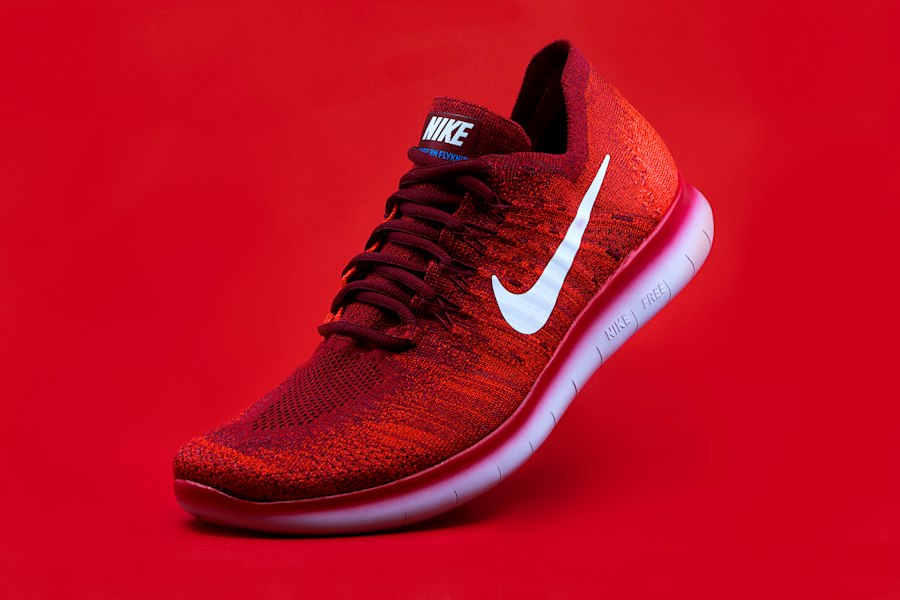
With dozens of cleat styles, brands, and surface types on the market, buying soccer cleats for your child can feel overwhelming. This guide cuts through the noise and helps you make the right call.
Every soccer season, parents walk into sporting goods stores and face a wall of cleats that all look more or less the same. Different colors, different prices, different confusing abbreviations like FG, AG, TF, and IC. If you've ever stood there not knowing what to buy, this guide is for you.
Why the Right Cleats Actually Matter
Cleats are not just footwear — they are the primary point of contact between your child and the ground. The wrong pair on the wrong surface can reduce performance, cause blisters, or even increase the risk of ankle injuries. Getting this right matters more than most parents realize.
Understanding Cleat Types by Surface
The most important factor in choosing cleats is the playing surface, not the brand or color.
FG — Firm Ground
Firm Ground cleats are designed for natural grass that is dry or slightly damp. They feature moulded plastic studs permanently fixed to the outsole. This is the most common type for youth recreational leagues in the United States. Brands like Nike and Adidas make excellent FG options at every price point. If your child plays Saturday morning games on a well-maintained grass field, FG is the right choice.
AG — Artificial Ground
Artificial Ground cleats are engineered specifically for synthetic turf (the newer generation of artificial grass fields). They have shorter, more numerous studs distributed evenly across the outsole to handle the unique traction demands of artificial turf. Using standard FG cleats on artificial turf can create uneven pressure points and cause discomfort or injury over time. If your child plays on an artificial turf field, invest in AG-specific cleats.
TF — Turf
Turf shoes are designed for hard artificial surfaces or gym floors — not the same as modern artificial grass fields. They feature a rubberized outsole with many small raised bumps rather than traditional studs. These are common for futsal training or indoor turf facilities.
IC — Indoor Court
Indoor court shoes have a flat, non-marking rubber sole for use on hardwood or smooth indoor surfaces. Your child will need these for winter indoor leagues.
Getting the Right Fit
Soccer cleats are intentionally sized snug — closer to the foot than regular sneakers — to improve ball feel and reduce slippage inside the shoe during kicking motions. Here is how to measure properly:
- Measure both feet in the afternoon (feet swell during the day)
- Wear the same type of thin athletic sock your child wears during games
- Leave only a half-thumbnail of space at the toe — not a full thumb as you would with running shoes
- The heel should feel locked in with no slipping
- If the child is between sizes, size up — never down
Age-Appropriate Features
Ages 4–7 (Toddler/Little Kid): Prioritize comfort and ease of wear. Velcro closures are practical at this age. Soft, flexible soles matter more than advanced traction technology. Adidas Predator Club and Nike Jr. Mercurial are solid beginner options.
Ages 8–12 (Youth): Kids this age are developing real technique. A slightly stiffer forefoot improves kicking power. Lace-up closures are appropriate. Look for models with a slightly structured toe box. New Balance Furon and Puma Future are excellent at this stage.
Ages 13+ (Junior): Performance-oriented features like knitted uppers, heel counters, and advanced stud configurations become relevant. This is where investing slightly more pays off in durability and performance.
Budget Guidance
You do not need to spend $150 on cleats for an eight-year-old who will outgrow them in one season. Here is a practical budget framework:
- $35–$55: Entry-level moulded cleats from Nike, Adidas, or Puma. Completely adequate for recreational youth leagues.
- $55–$90: Mid-tier options with better materials, improved fit, and longer durability. Ideal for kids playing competitive travel soccer.
- $90–$150+: Performance cleats with premium materials. Only worth considering for dedicated players in competitive leagues aged 12 and up.
Final Checklist Before You Buy
Before completing any purchase, run through this quick checklist:
- ✓ Confirmed the playing surface (grass, turf, indoor)
- ✓ Measured both feet and know the current shoe size
- ✓ Checked with the league for any stud restrictions (some youth leagues prohibit metal studs)
- ✓ Tried the cleats on with game-day socks
- ✓ Confirmed the heel fits securely with no slipping
Buying the right cleats is one of the simplest ways to set your child up for a better experience on the field. When their feet feel right, everything else follows.